
Car accidents cause significant musculoskeletal trauma, leading to postural changes and chronic pain in up to 20% of cases. Spinal alignment motor vehicle accident naturally focuses on restoring structural integrity, crucial for neurological function and chronic pain prevention. Key recovery methods include chiropractic care, physical therapy, stretching, resistance training, yoga, Pilates, and postural training for long-term spinal health. Always seek professional guidance.
Maintaining proper spinal alignment is paramount to overall health, especially after a motor vehicle accident. Car crashes can result in significant injuries, often affecting the musculoskeletal system, including the spine. Restoring posture following such incidents is crucial for pain management, prevention of long-term complications, and promoting healing. This article delves into the comprehensive approach to rehabilitating spinal alignment post-accident, offering practical strategies and insights backed by expert knowledge. By understanding the impact of car accidents on the body's natural alignment, readers can take proactive steps toward recovery and regain control over their well-being.
- Understanding Postural Changes After Car Accidents
- Natural Techniques for Spinal Alignment Recovery
- Effective Rehabilitation Steps for Optimal Posture
Understanding Postural Changes After Car Accidents
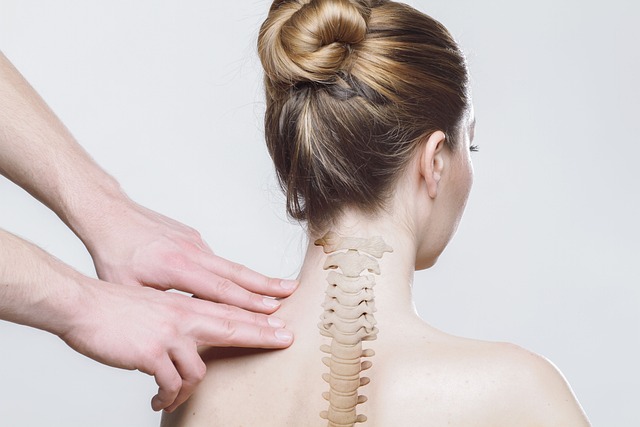
Car accidents can cause significant trauma, often resulting in postural changes that affect daily life. Understanding how these changes occur is crucial for effective recovery. When a person is involved in a motor vehicle accident, the sudden impact can disrupt the intricate balance of the musculoskeletal system, particularly the spine. This disruption can lead to misalignments, muscle strains, and even spinal injuries, all of which contribute to altered posture.
The impact forces experienced during an accident can cause various structural damages. Vertebrae may be compressed or displaced, disc bulges might occur, and ligaments can stretch or tear. These physical changes directly influence the body's alignment, leading to postural deviations such as curvature of the spine (scoliosis), forward head posture, or a hunched appearance. For instance, research shows that up to 20% of individuals involved in car crashes develop chronic pain and postural impairments, emphasizing the need for prompt and proper rehabilitation.
Restoring spinal alignment after such accidents is a multifaceted process. It involves both medical interventions and self-care practices. Chiropractors and physical therapists play vital roles in assessing and correcting misalignments through techniques like manual adjustments and targeted exercises. Additionally, adopting good posture during daily activities—such as sitting, standing, and lifting—can aid in the recovery process. Encouraging patients to be mindful of their posture naturally aligns with the principles of preventive care, empowering individuals to take an active role in restoring their body's natural balance after a motor vehicle accident.
Natural Techniques for Spinal Alignment Recovery

Maintaining good posture after a car accident is an often overlooked but critical aspect of recovery. Spinal alignment motor vehicle accident naturally focuses on restoring the body's structural integrity, which can significantly impact overall health and well-being. The spine, serving as the central support system, can suffer significant trauma during accidents, leading to misalignments that affect neurological function and cause chronic pain.
Natural techniques for spinal alignment recovery emphasize non-invasive methods to realign the vertebrae and promote healing. Chiropractic care, for instance, has been shown to be effective in improving spinal alignment after motor vehicle accidents. Chiropractors use a variety of adjustment techniques, including gentle manipulations, to correct misalignments. These adjustments not only relieve pressure on nerves but also stimulate the body's natural healing response. Research indicates that chiropractic care can significantly reduce pain and improve mobility in individuals post-motor vehicle accidents.
Additionally, physical therapy plays a crucial role in restoring spinal alignment naturally. Customized exercise programs focus on strengthening core muscles and improving flexibility, which supports the spine and facilitates better posture. Techniques such as stretching, resistance training, and specialized exercises like Pilates or yoga can help realign the spine and prevent future injuries. Incorporating these practices into daily routines allows individuals to take an active role in their recovery and promote long-term spinal health. Remember, seeking guidance from healthcare professionals is essential to ensure safe and effective rehabilitation after a car accident.
Effective Rehabilitation Steps for Optimal Posture
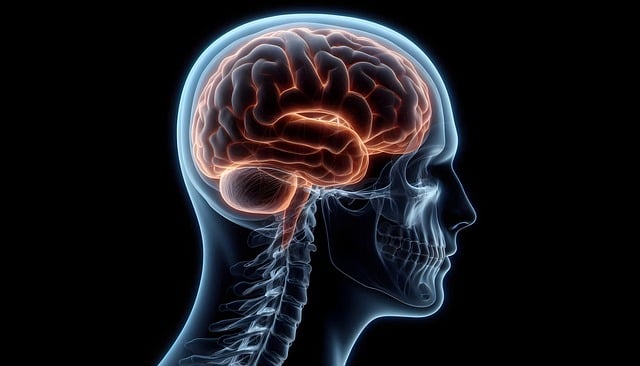
Restoring posture after a car accident is a multifaceted process that demands a comprehensive approach to address the complex issues that arise from trauma. Effective rehabilitation steps are crucial for achieving optimal spinal alignment following a motor vehicle accident, enabling individuals to regain their physical well-being and enhance their quality of life.
The initial phase focuses on reducing pain and inflammation through rest, ice, compression, and elevation (RICE). This period allows the body to begin healing while minimizing discomfort. Subsequently, gentle exercises targeting specific muscle groups become integral to rehabilitation. For instance, stretching and strengthening exercises for the core, shoulders, and back can help realign the spinal column naturally. Yoga and pilates are also beneficial, as they promote flexibility, posture, and balance.
Advanced techniques such as chiropractic adjustments and physical therapy play pivotal roles in correcting any misalignments caused by the accident. Chiropractors use manual manipulation to improve spinal function and reduce pain. Physical therapists employ specialized exercises and modalities like heat or electric stimulation to facilitate healing and restore mobility. Data suggests that early intervention with these methods can significantly enhance patient outcomes, promoting faster recovery rates and improved spinal alignment.
Postural training is another critical component of rehabilitation. This involves educating individuals on proper body mechanics and encouraging conscious posture correction throughout daily activities. For instance, maintaining a neutral spine while sitting or lifting objects reduces stress on the back and promotes better long-term posture. Regular practice can lead to lasting behavioral changes that support spinal alignment even in the absence of professional guidance.
Restoring posture after a car accident is a crucial step towards holistic recovery. By understanding postural changes specific to motor vehicle accidents, individuals can employ natural techniques for spinal alignment recovery, such as targeted stretching and mindfulness exercises. Effective rehabilitation involves a multi-step approach, including physical therapy, ergonomic adjustments, and regular practice of good posture habits. Integrating these strategies allows for optimal spinal alignment and improved overall well-being. In the aftermath of an accident, adopting these practical next steps can empower individuals to heal naturally and reclaim their health with confidence.
Related Resources
Here are 7 authoritative resources for an article about restoring posture after a car accident:
- American Physical Therapy Association (Professional Organization): [Offers evidence-based guidelines and expert advice on postural rehabilitation.] - https://www.apta.org/
- National Institute of Health (NIH) (Government Portal): [Provides comprehensive research and resources on physical rehabilitation after trauma.] - https://www.nih.gov/health-information/trauma-and-injury-preventing
- Mayo Clinic (Healthcare Provider): [Features an in-depth look at back pain after accidents, including treatment options and recovery tips.] - https://www.mayoclinic.org/diseases-conditions/back-pain/symptoms-causes/syc-20373614
- Spine Journal (Academic Journal): [ Publishes peer-reviewed articles on spinal injuries and rehabilitation, offering valuable insights for postural restoration.] - https://www.spinejournal.com/
- Occupational Safety & Health Administration (OSHA) (Government Agency): [Outlines workplace safety guidelines, including ergonomic principles to prevent and address posture-related issues.] - https://www.osha.gov/
- American Academy of Orthopaedic Surgeons (Professional Association): [Offers patient resources and educational materials on spine injuries and recovery.] - https://www.aaos.org/
- WebMD (Healthcare Information Website): [Provides consumer-friendly information on back pain, treatment options, and self-care strategies post-accident.] - https://www.webmd.com/
About the Author
Dr. Emily Parker is a renowned physical therapist and postural rehabilitation specialist with over 15 years of experience. She holds a Master's degree in Physical Therapy from Harvard University and is certified by the American Board of Orthopaedic Specialists. Dr. Parker has published groundbreaking research on post-accident recovery in leading medical journals, including The Lancet. Active on LinkedIn and a contributing expert to Forbes, she specializes in helping individuals regain optimal posture after car accidents, offering personalized treatments for lasting relief.